TOP TYPES OF FOUNDATIONS FOR NIGERIAN SOIL
The right foundation ensures structural stability. Learn the best foundation types suitable for Nigeria’s diverse soil conditions and building needs.
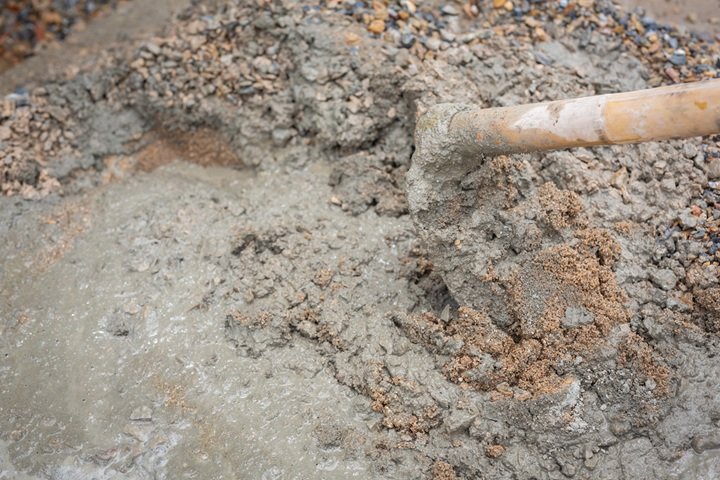
Selecting the proper foundation is critical to the safety and longevity of any building. Nigeria’s diverse soil conditions—ranging from sandy coastal areas to clay-rich inland zones—require tailored solutions.
Common foundation types include:
Shallow Foundations – Such as strip or pad foundations, suitable for light structures and stable soils.
Raft Foundations – Spreading loads across a wide area, ideal for weak or variable soils.
Pile Foundations – Long, deep columns that transfer loads to stronger soil layers below.
Caisson Foundations – Used for heavy structures, particularly bridges and waterfront projects.
Floating Foundations – Balancing soil pressure for special conditions like marshy land.
Common foundation types include:
Shallow Foundations – Such as strip or pad foundations, suitable for light structures and stable soils.
Raft Foundations – Spreading loads across a wide area, ideal for weak or variable soils.
Pile Foundations – Long, deep columns that transfer loads to stronger soil layers below.
Caisson Foundations – Used for heavy structures, particularly bridges and waterfront projects.
Floating Foundations – Balancing soil pressure for special conditions like marshy land.
Choosing the right foundation for Nigerian soil guarantees stability, safety, and longevity, protecting investments and ensuring buildings withstand environmental and geological challenges.
Shallow foundations work well in areas with firm topsoil and moderate load requirements, such as residential homes. In contrast, pile foundations are essential in coastal or swampy regions where the surface soil cannot support heavy loads.
Raft foundations distribute weight evenly and are common for commercial complexes or high-rise buildings where soil consistency varies. Caisson foundations, though more expensive, provide unmatched stability for bridges or heavy waterfront structures.
Geotechnical investigation is critical before selecting a foundation. Engineers conduct soil tests to determine bearing capacity and water table levels. Investing in the correct foundation type not only ensures safety but also reduces maintenance costs and prolongs the building’s life span.
Raft foundations distribute weight evenly and are common for commercial complexes or high-rise buildings where soil consistency varies. Caisson foundations, though more expensive, provide unmatched stability for bridges or heavy waterfront structures.
Geotechnical investigation is critical before selecting a foundation. Engineers conduct soil tests to determine bearing capacity and water table levels. Investing in the correct foundation type not only ensures safety but also reduces maintenance costs and prolongs the building’s life span.